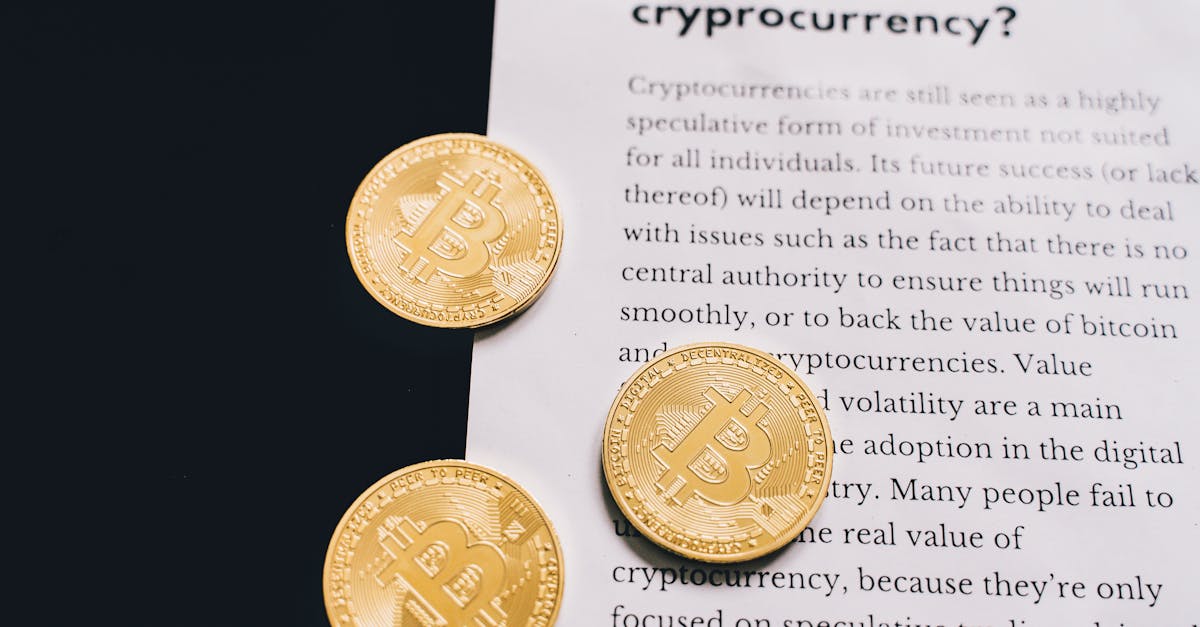
Bitcoin has evolved from a niche experiment to a mainstream store of value, and 2025 marks a pivotal year for newcomers looking to dip their toes into the world of digital gold. With regulatory frameworks finally taking shape, institutional adoption soaring, and user‑friendly platforms proliferating, buying Bitcoin today is safer and simpler than ever—if you know where to start. This guide walks you through the current state of the market, key facts you need to know, expert analysis, potential risks, and a step‑by‑step roadmap to get your first satoshi.
1. The Current State of Bitcoin in 2025
By mid‑2025, Bitcoin’s market capitalization hovers around $700 billion, making it the second‑largest crypto asset after Ethereum. The price has settled in a relatively stable range of $27,000–$33,000, driven by three major forces:
- Regulatory clarity: The U.S. Treasury’s Virtual Asset Service Provider (VASP) rule and the EU’s MiCA framework have created standardized compliance requirements, reducing uncertainty for both exchanges and investors.
- Institutional inflows: Pension funds, sovereign wealth funds, and corporate treasuries are allocating up to 5 % of their portfolios to Bitcoin as an inflation hedge.
- Layer‑2 adoption: The Lightning Network now processes over $12 billion in daily transactions, showcasing Bitcoin’s viability for everyday payments.
These dynamics have pushed Bitcoin from a speculative asset to a “digital commodity” recognized by regulators, auditors, and mainstream media alike.
2. Key Facts Every Beginner Should Know
| Metric | 2025 Value | Why It Matters |
|---|---|---|
| Current Price (June 2026) | $30,200 ± 5 % | Benchmark for entry points and dollar‑cost averaging. |
| Market Cap | $700 billion | Indicates network maturity and liquidity depth. |
| Average Daily Volume | $45 billion | Ensures you can buy/sell without major slippage. |
| Hashrate | 350 EH/s | Reflects network security and miner participation. |
| Lightning Network Capacity | $12 billion | Shows real‑world usability for micro‑payments. |
3. Step‑by‑Step: How to Buy Bitcoin in 2025
3.1 Choose a Regulated Platform
- Look for exchanges that are VASP‑registered (e.g., Coinbase, Kraken, Gemini).
- Check for insurance coverage on custodial assets.
- Confirm the platform supports Lightning Network withdrawals if you plan to use Bitcoin for payments.
3.2 Complete KYC & AML Verification
Most platforms now require a digital identity check, including a government‑issued ID, selfie verification, and proof of address. The process typically takes 5–10 minutes.
3.3 Fund Your Account
- Bank transfer (ACH or SEPA) – lowest fees (0.1 %–0.2 %).
- Debit/credit card – instant but higher fees (2 %–3 %).
- Stablecoin (USDC, USDT) – useful for quick on‑ramp via crypto‑to‑crypto swaps.
3.4 Place Your Order
Two order types dominate:
- Market order: Executes instantly at the best available price. Ideal for beginners.
- Limit order: Sets a price you’re willing to pay; the order fills only if Bitcoin reaches that level.
3.5 Secure Your Bitcoin
After purchase, move your coins to a non‑custodial wallet:
- Hardware wallets (Ledger Nano X, Trezor Model T) – best for long‑term storage.
- Mobile wallets (BlueWallet, Phoenix) – convenient for Lightning payments.
4. Expert Analysis: What the Pros Are Saying
Jane Liu, Senior Analyst at CryptoQuant: “Bitcoin’s price stability in 2024‑2025 is a direct result of macro‑economic realignment. With central banks tightening, investors view Bitcoin as a hedge against fiat devaluation, similar to gold.”
Markus Feldman, Head of Institutional Strategy at Fidelity Digital Assets: “We now allocate 2 % of our client portfolios to Bitcoin on a core‑satellite model. The combination of regulated custodians and transparent audit trails makes it a compliant, low‑correlation asset.”
Both analysts agree that the next catalyst will be the rollout of Bitcoin ETFs in additional jurisdictions, which could push the price above $35,000 by the end of 2026.
5. Risks to Consider
- Regulatory shifts: While 2025 brought clarity, future legislation (e.g., possible U.S. “Digital Asset Tax” proposals) could affect profitability.
- Technical bugs: Layer‑2 solutions are still evolving; a major Lightning Network bug could temporarily reduce usability.
- Market volatility: Even in a stable range, Bitcoin can swing 10 %+ in a single week.
- Custodial risk: Storing large amounts on an exchange exposes you to hacks; always move sizable holdings to a hardware wallet.
6. Key Takeaways
- Bitcoin’s 2025 market is mature, with clear regulations and high liquidity.
- Choose a VASP‑registered exchange, complete KYC, and fund via low‑fee bank transfer.
- Use a hardware wallet for long‑term storage; consider Lightning‑compatible wallets for everyday spending.
- Stay aware of regulatory developments and maintain a diversified crypto portfolio.
7. Conclusion: Your First Bitcoin Is Within Reach
Buying Bitcoin in 2025 is no longer a “tech‑savvy only” activity. With regulated platforms, robust security tools, and a clearer regulatory landscape, beginners can confidently add Bitcoin to their financial toolkit. Whether you view it as a hedge, a speculative play, or a gateway to the broader crypto ecosystem, the steps outlined above will help you start on solid ground.
Ready to Take the Next Step?
Start your Bitcoin journey today by signing up with a trusted exchange, completing the quick verification process, and purchasing your first satoshi. Click here to open a Coinbase account and claim a $10 bonus on your first trade. Secure your future—one Bitcoin at a time.